Ford F-150 2020 Shaking at 60 MPH? Real Causes & Fixes That Actually Work
Let’s talk about something that catches a lot of F-150 owners off guard.
You’re driving normally… everything feels fine… and then somewhere around 55–65 mph, the truck starts to feel a little off. Not a full breakdown, not something dramatic — just enough vibration to make you wonder:
“Is this normal… or is something going wrong?”
If you’ve felt that, you’re not overthinking it.
This isn’t one of those issues you should ignore and hope it goes away on its own. At the same time, it’s also not something that automatically means a big, expensive repair.
What makes this tricky is that the same shaking feeling can come from completely different causes. And unless you understand what your truck is actually telling you, it’s very easy to start replacing the wrong parts.
So instead of jumping straight into fixes, let’s slow this down for a second and understand what’s really happening.
What This “60 MPH Shake” Usually Feels Like (And Why It Matters)
Before we get into causes, it helps to recognize the pattern.
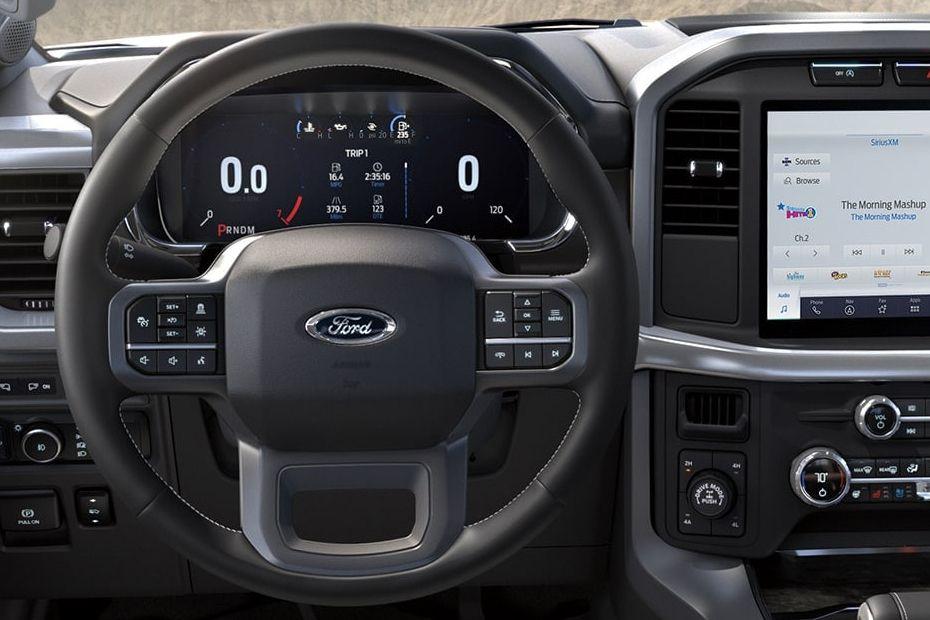
Most owners don’t describe this as a violent shake. It’s usually more subtle:
- A light vibration in the steering wheel
- A slight buzzing feeling through the seat or floor
- The truck feels less “planted” at highway speed
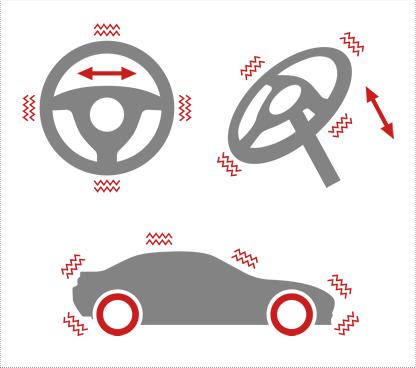
Image Credit : .y-yokohama.
Now here’s the important part — and this is something that comes up again and again in discussions on platforms like Reddit and F-150 owner forums: “The vibration often shows up only at certain speeds and disappears if you go slower or faster.”
That’s your first clue.
When a problem appears only at a specific speed range, it usually points to balance, rotation, or alignment issues, not random mechanical failure.
But we don’t want to guess. Let’s break it down properly.
What Your Truck Is Actually Trying to Tell You
Think of this vibration as feedback.
Your truck isn’t just “shaking for no reason” — it’s reacting to something slightly out of sync.
And in most cases, the cause falls into one of these buckets:
1. Tire Balance — The Most Overlooked (And Most Common) Cause
Let me explain this in a simple way.
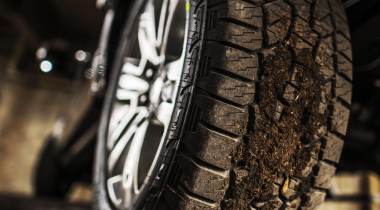
Your tires are spinning thousands of times per minute at highway speeds. Even a tiny imbalance — something you wouldn’t notice at city speed — gets amplified when you hit 60 mph.
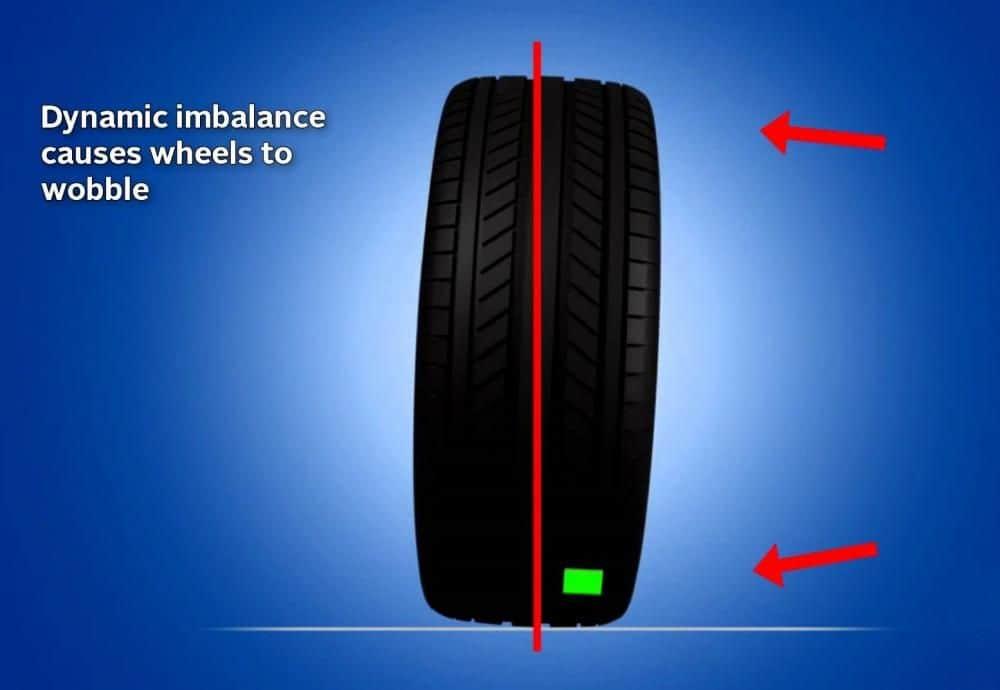
That’s why the vibration suddenly appears in that specific range.
A lot of owners assume something serious is wrong, but then they get the tires balanced… and the issue disappears almost immediately.
If your steering wheel is where you feel the shake the most, this is the first place I’d look.
If your vibration increases with speed, tires are often the starting point. We’ve broken down the best options here →
Best Tires for Ford F-150 2020
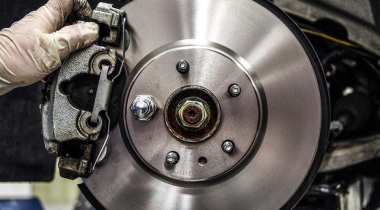
2. Brake Rotors — Especially If You Feel It While Slowing Down
Now let’s say the vibration changes when you touch the brakes.
Maybe it’s smooth at 60 mph… but the moment you slow down, the steering starts pulsing.
That’s usually not tires anymore — that’s your brake rotors.
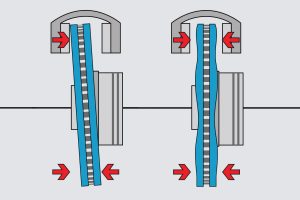
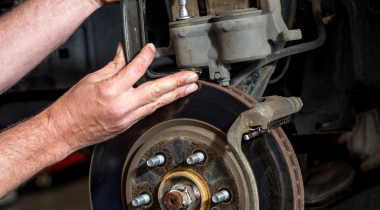
Over time, rotors don’t always wear evenly. And when that happens, every rotation creates a slight variation in pressure, which you feel as vibration.
This is one of those things that builds up gradually, so you don’t notice it right away — until one day it becomes obvious.
If you feel vibration while braking, it may be coming from uneven brake components → Best Brake Pads for Ford F-150 2020
3. Suspension Wear — The “It Feels Loose” Problem
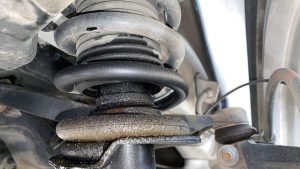
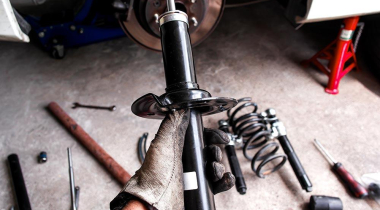
If the truck doesn’t just vibrate but also feels a bit unstable or bouncy, especially on uneven roads, then we’re looking at suspension.
Shocks and bushings don’t fail suddenly — they wear out slowly.
And once they do, they stop absorbing movement properly. So instead of smoothing out the road, they pass that energy into the cabin.
That’s when you start feeling vibrations that weren’t there before.
If your truck feels slightly unstable or floaty at speed, shocks could be the reason →Best Shocks for Ford F-150 2020
4. Alignment — Small Issue, Big Impact
This one is easy to underestimate.
If your wheels aren’t perfectly aligned, your tires don’t roll evenly. Over time, that creates uneven wear… and that uneven wear shows up as vibration at speed.
You might also notice:
- The truck pulling slightly to one side
- Steering not feeling centered
It’s subtle, but it adds up.
5. Driveshaft (Less Common, But Important)
Now, this is where things get a bit more mechanical.
If the vibration feels like it’s coming from under the truck rather than the steering wheel, especially through the seat or floor, it could be the driveshaft.
This isn’t the first thing I’d jump to — but if simpler fixes don’t solve the issue, this is worth checking.
So… Where Should You Actually Start?
This is where a lot of people go wrong. They start replacing parts based on guesses.
Instead, think of it like narrowing down the problem.
Ask yourself:
- Is the vibration mostly in the steering wheel?
- Does it change when braking?
- Does it feel like it’s coming from below?
Once you answer that, you’ve already eliminated half the possibilities.
And in most real-world cases, the fix starts simple- either it’s Tire balancing, Alignment check or Brake inspection
These are not expensive fixes — but they solve a surprising number of cases.
If you want a complete step-by-step fix, go through this guide: How to Fix Vibration in Ford F-150 2020
When Fixing Isn’t Enough (And You Should Think About Upgrading)
Now let’s talk about a slightly different situation.
Sometimes the issue isn’t just a “fault” — it’s wear catching up with how you use your truck.
For example: If your F-150 is:
- Frequently used for highway driving
- Regularly towing or carrying load
- Already past that 50K–60K mile range
Then what you’re feeling might not be a single issue — it might be multiple small weaknesses showing up together.
In that case, simply fixing one thing might improve the situation… but not completely solve it.
That’s where upgrades start to make sense.
Not because something is broken — but because your current setup isn’t keeping up with your usage anymore.
A Quick Reality Check (From Real Owners)
If you go through enough owner discussions, you’ll notice a pattern:
- Many people fix this with basic balancing
- Some discover worn-out brakes
- A smaller group finds suspension wear
Very rarely does this turn into a major mechanical failure. And that’s actually good news. Because it means: This is usually fixable without spending a fortune as long as you don’t ignore it for too long.
Final Thoughts (What I’d Do If This Was My Truck)
If I started feeling this on my own truck, I wouldn’t jump to conclusions.
I’d go step by step:
- Get the tires balanced and rotated
- Check alignment
- Inspect brakes to rule out any brake issues
- Only then look deeper if needed
That approach saves both time and money — and more importantly, it avoids unnecessary part replacements.
Quick Takeaway
That 60 mph shake isn’t random.
It’s your truck telling you something is slightly off — not broken, just out of sync.
And in most cases, once you understand where it’s coming from, the fix becomes pretty straightforward.

Vicky Dwaj, Founder and CEO of TrucksEnthusiasts , is an automobile engineer passionate about pickup trucks and accessories. Follow his journey to discover the latest trends in off-road accessories, cars, and truck parts.